


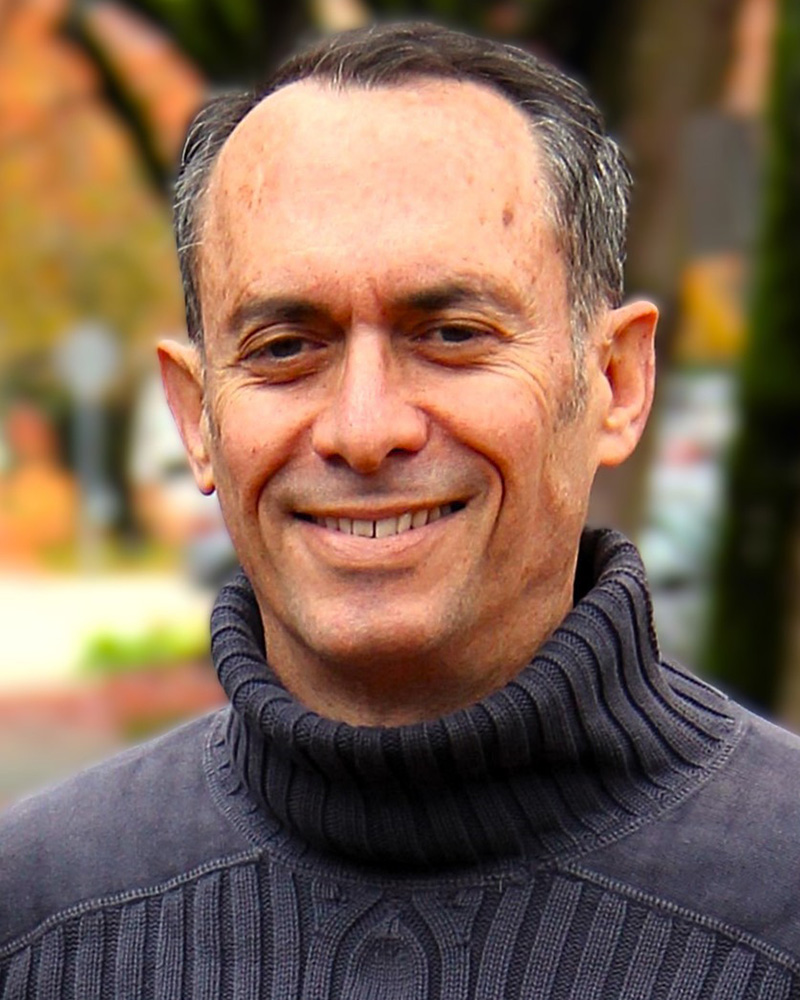
 David Perrin is a leading figure in the field of bio-organic chemistry. He completed his undergraduate studies in biochemistry at the University of California, Berkeley, before pursuing a PhD in biological chemistry at the University of California, Los Angeles. Following his doctoral training, Dr. Perrin declined a Fulbright fellowship in favor of an NSF–NATO fellowship, which took him to the Natural History Museum in Paris for postdoctoral research. There, he investigated modified nucleoside triphosphates in the context of origin-of-life chemistry, laying the foundation for his future interdisciplinary work. In 2000, Dr. Perrin joined the University of British Columbia as an assistant professor, where he has since advanced to the rank of full professor. Over the course of his career, he has established himself as an internationally recognized expert in bio-organic chemistry, with a research program that bridges synthetic organic chemistry and complex biological systems. His work spans diverse areas, including modified nucleic acids, peptide-based toxins for cancer therapeutics, and the development of novel methods for positron emission tomography (PET) imaging of cancer. His contributions have led to more than a dozen patents and reflect a strong commitment to translating fundamental discoveries into clinical applications. Professor Perrin has published over 135 peer-reviewed articles, demonstrating both the breadth and depth of his research. His achievements have been recognized through numerous awards, including the Teva Canada Award from the Chemical Institute of Canada and both the Junior and Senior Scholar Awards from the Michael Smith Foundation for Health Research. He has also secured competitive research funding from major agencies such as NSERC, the Petroleum Research Fund, and the Canadian Institutes of Health Research.
Toggle – David Perrin
Share This Story, Choose Your Platform!
About the Author: BiosecuritySymposium
