



4th Biosecurity Symposium
Scientific Program
May 12-13, 2026
(all times Central Time Zone)
Tuesday, May 12, 2026
8:00 – 8:10 am | ABSA International President’s Welcome
Anne-Sophie Brocard, PhD, RBP(ABSA), CBSP(ABSA), SM(NRCM), CHMM, CSP, The University of North Texas Health Science Center, Fort Worth, TX
8:10 – 8:15 am | Biosecurity Symposium Steering Committee Welcome
Enitra Jones Sprouse, PhD, ASC, RBP(ABSA), CBSP(ABSA), Atlanta, GA
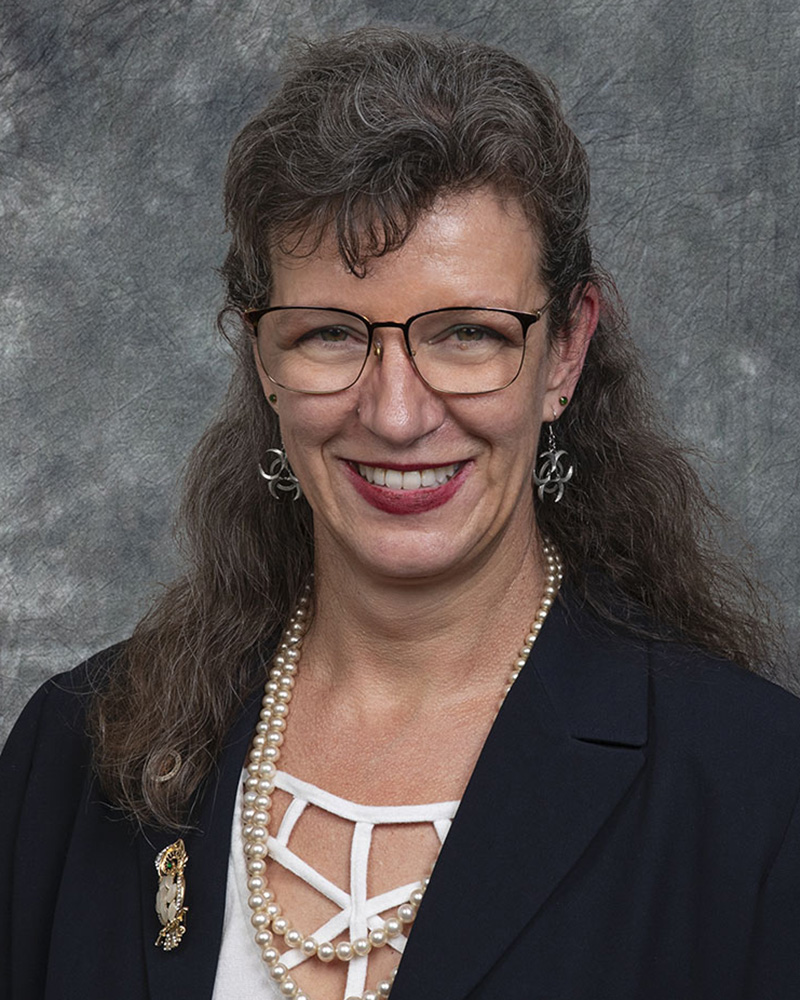 Anne-Sophie Brocard is a seasoned biosafety professional with over 20 years’ expertise in the biosafety field. She currently serves as the Sr. Director of Environmental Health and Safety at the University of North Texas (UNT) Health, in Fort Worth. She oversees the biosafety program and EHS department and is a trusted source of knowledge on appropriate practices, equipment, facilities, and best in classwork practices. Before joining UNT Health Sophie worked at ATCC (American Type Culture Collection) headquartered in Manassas, Virginia as the Biosafety Officer and EHS Leader. She previously spent two decades at the University of Texas Medical Branch (UTMB) in Galveston. During her tenure, she contributed significantly to UTMB biosafety program serving as an adjunct assistant professor in the department of Pathology. Her roles included Biosafety Program Director, Institutional Biosafety Officer, and Alternate Responsible Official for the Select Agent program. Sophie’s diverse background spans healthcare, research, academia, and production/repository/cGMP. She has actively participated on many different safety committees including, Biorisk Management Committee, Institutional Biosafety Committee, Chemical Safety Committee, and IACUC. Sophie’s hands-on experience extends to BSL3/ABSL3/ACL3 research, animal work, field operations, and BSL4 safety experience. As a dedicated education, Sophie has directed several graduate courses and has conducted biosafety training both nationally and internationally. Until 2016, she served as the Director of the Laboratory Biosafety Training Program at the UTMB National Biocontainment Training Center. Sophie has been an active member of ABSA since 2005 and contributed her expertise to various Committees and Teams. Notably, she served as ABSA Treasurer (2021-2023). Her commitment to safety is underscored by certifications as a Certified Biological Safety Professional (CBSP) and Certified Safety Professional (CSP). Sophie’s unwavering dedication and extensive experience position her as a highly valuable asset within the biosafety community.
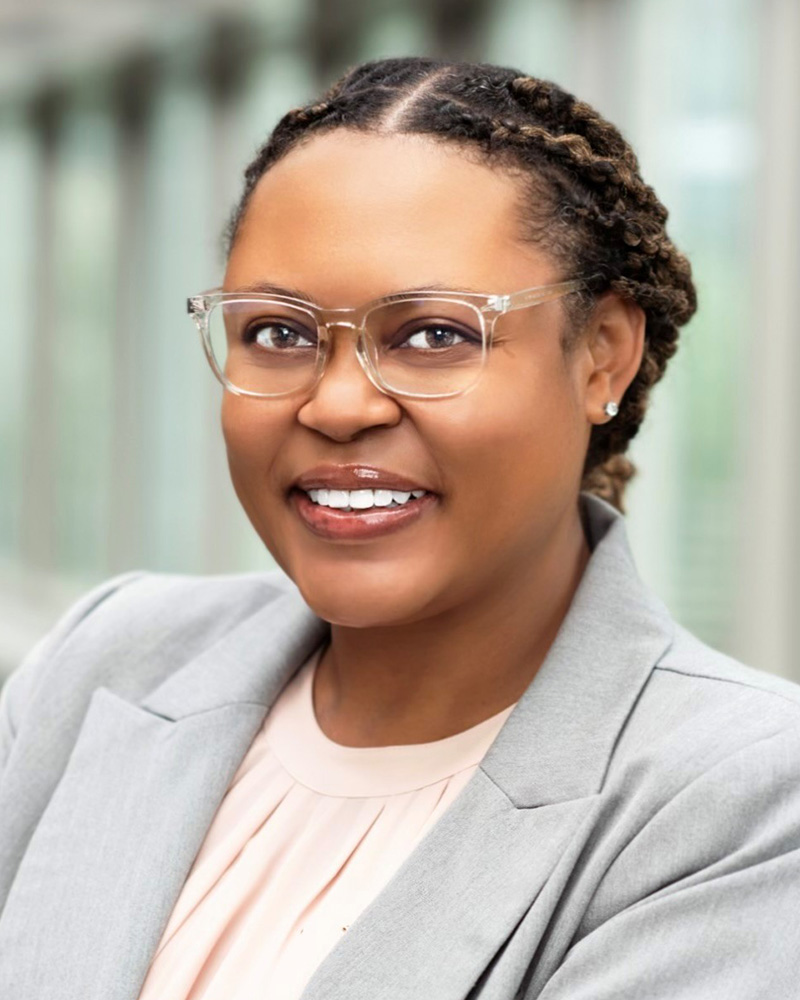 Dr. Enitra Jones Sprouse is a highly accomplished biomedical scientist with extensive expertise spanning biomedical research, biological safety, biocontainment, biosecurity, training, outreach, education, and select agent regulatory oversight within both federal government and academic environments. She earned a Bachelor of Science in Biology, with a concentration in Microbiology, from the Dolores Margaret Richard Spikes Honors College at Southern University and A&M College—Baton Rouge (SUBR). Dr. Jones Sprouse was among the inaugural recipients of the National Institutes of Health (NIH) Bacterial Pathogenesis Training Grant at the University of Tennessee Health Science Center (UTHSC), where she completed her PhD in Biomedical Sciences, specializing in Microbial Pathogenesis, Immunology, and Inflammation. Throughout her career, she has made significant and well-regarded contributions to the fields of biosafety and biosecurity, actively engaging with professional organizations such as ABSA International to advance best practices and standards. Dedicated to cultivating the next generation of STEM professionals, Dr. Jones Sprouse mentors’ students through targeted outreach initiatives and serves as an Adjunct Professor in the College of Sciences at SUBR. Her outstanding contributions have been recognized through numerous awards, including the Department of Health Light of Hope Award, underscoring her commitment to public health, community engagement, and sexually transmitted disease outreach.
Session I | Keynote Speaker
Introduction and Moderator: Enitra Jones Sprouse, PhD, ASC, RBP(ABSA), CBSP(ABSA), Atlanta, GA
8:15 – 9:00 am | Biosecurity in the Convergence Era: Safeguarding Research in the Age of Artificial Intelligence and Biotechnology
Edward You, MS, EHY Consulting LLC, Washington, DC
9:00 – 9:15 am | Q&A Session
9:15 – 9:25 am | Break
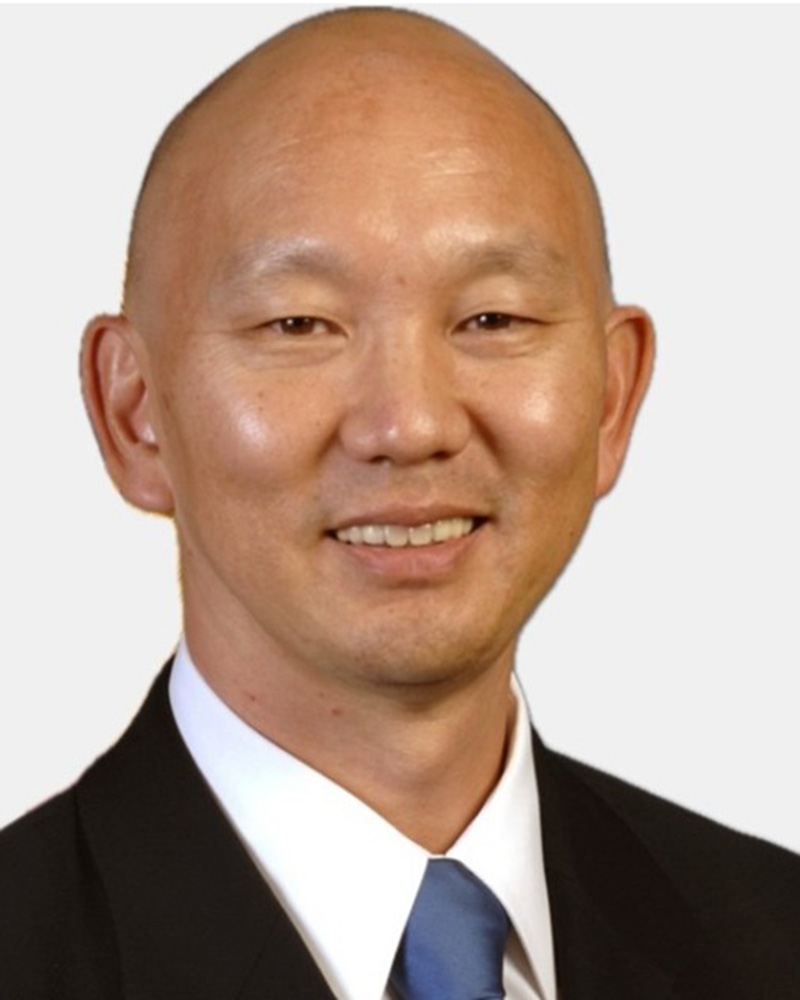 Edward You is Founder and Principal of EHY Consulting LLC, where he advises industry, academia, and government on safeguarding biotechnology and artificial intelligence in an era of rapid scientific convergence. He recently retired after more than twenty years as a Supervisory Special Agent with the FBI, where he led national initiatives addressing biosecurity, synthetic biology, and emerging technology protection. He launched and led the FBI’s Academic Biosecurity Outreach Initiative and served as the Bureau’s representative to the National Science Advisory Board for Biosecurity (NSABB). Ed also completed a Joint Duty Assignment at the Office of the Director of National Intelligence, serving as National Counterintelligence Officer for Emerging and Disruptive Technologies, where he focused on the strategic implications of AI–biotechnology convergence. He represented the United States at the United Nations Biological Weapons Convention and supported international biosecurity engagement efforts. Trained as a molecular biologist, Ed conducted graduate research in human gene therapy and previously worked in biomedical research and biotechnology prior to joining the FBI. His work bridges laboratory science, institutional stewardship, and national security, with a focus on preserving scientific openness while mitigating exploitation risk.
Session II | Biosecurity by Design: Assessing What Matters Most
Moderator: Kelly Flint, RBP(ABSA), CBSP(ABSA), SM(NRCM), National Institutes of Health, Fort Detrick, MD
9:25 – 9:45 am | Behavioral Intervention in High-Consequence Environments
Nicole Drumhiller, PhD, Washington State University, Pullman, WA
Casey Skvorc, PhD, JD, American Public University, Charles Town, WV
9:45 – 10:05 am | Assessing Biosecurity Threats: A Socio-Technical Approach
Kathleen Vogel, PhD, Arizona State University, Tempe, AZ
10:05 – 10:25 am | Building Laboratory Cyberbiosecurity Capacity: Lessons from Morocco’s Cyber-SLAT Pilot Implementation
Larbi Baassi, PhD, IFBA-CP, AfRSME Africa-CDC, Biorisk Management Association of Morocco (BMAM), Rabat, Morocco
10:25 – 10:55 am | Q&A Session
10:55 – 11:05 am | Break
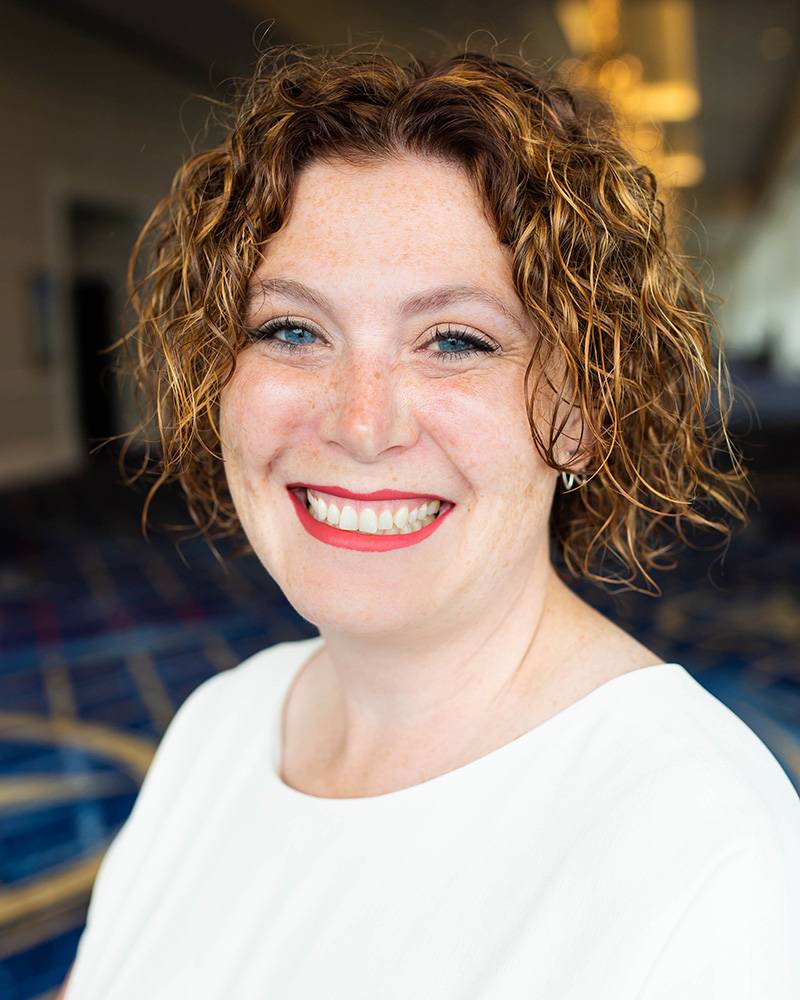 Dr. Nicole Drumhiller is an experienced global security professional and researcher with expertise in threat management, political psychology, intelligence, and global security. She holds a PhD in Political Science from Washington State University, with specializations in Political Psychology, International Security, and International Relations. Additionally, she is a Certified Threat Manager with the Association of Threat Assessment Professionals. Some of her recent publications include “Adaptation in Intelligence Organisations: Human Factor Considerations “ (forthcoming), “Women in Intelligence: Historic Insights, Contemporary Challenges, and Future Directions” (2025), “Warning Intelligence and High Consequence Environments: A Comparative Assessment to Integrate Human Factors to Support Warning Analysis” (2024, republished as a book chapter in 2025), The Academic-Practitioner Divide in Intelligence Studies (2022, co-edited), among other articles on political leadership behavior and threat assessment. She has researched extremism in the United States, Europe, and the Middle East. Her work often explores themes involving control, manipulation, group behavior, leadership decision-making, and intelligence. Dr. Drumhiller currently serves as an investigator within Washington State University’s Compliance and Civil Rights office. She also serves as a Senior Global Security Analyst at MonarchGSA and is a part-time faculty member in the Doctoral Research Department at the American College of Education. Previously, she served as Dean and Associate Dean at the American Public University System’s School of Security and Global Studies, and has taught courses on espionage/counterespionage, deception and disinformation, intelligence analysis, and national security decision-making. She co-founded the IntelHub, an online international intelligence consortium, and holds leadership positions within the International Studies Association’s Intelligence Studies Section and ABSA International’s Distance Learning Committee and serves as a board member and researcher with the Lauren McCluskey Foundation.
 Casey Skvorc, PhD, JD, has worked in the field of Biosafety and Biosurety for the past 20 years. He is a co-Founder, with RADM (ret) Dr. Deborah Wilson, of the NIH Behavioral Health Screening program, and was the Certifying Official for Behavioral Screening for the National Institutes of Health Biosurety and Biosafety Programs from 2004-2024. He served as a faculty member for the National Biosafety and Biosurety Training Program, a post-doctoral fellowship program at the NIH, providing guest lectures on the topics of law and safety and behavioral safety issues. He is a Professor in the School of Global and Security Studies for the doctoral programs of Strategic Intelligence and Global Security at the American Public University System. Dr. Skvorc is a former federal law enforcement officer, with prior assignments with the U.S. Department of Justice and the U.S. Secret Service (loaned executive). He has taught numerous seminars at the Federal Law Enforcement Training Center (FLETC) and has served as a guest lecturer at Georgetown University and George Washington University.
 Kathleen Vogel is a Professor at the School for the Future of Innovation in Society at Arizona State University. She has served in the U.S. Department of State as a William C. Foster Fellow in the Office of Proliferation Threat Reduction in the Bureau of Nonproliferation and as a visiting scholar at Sandia National Laboratories. Vogel holds a PhD in bio-physical chemistry from Princeton University. Vogel’s overall research interests relate to the study of knowledge production on security and intelligence problems. She has particular expertise in: (1) assessing dual use research of concern; (2) state and non-state actor security threats related to developments in life science and emerging technologies; (2) how to create more holistic assessments of biosecurity threats involving different kinds of social and technical knowledge. Her book, Phantom Menace or Looming Danger?: A New Framework for Assessing Bioweapons Threats (Baltimore: The Johns Hopkins University Press) proposes a new way of analyzing security threats and identifying gaps, vulnerabilities, as well as over-hyped areas in the health security domain. She has extensive experience interfacing with a variety of U.S. officials and experts on biosecurity issues.
 Dr. Larbi Baassi earned his PhD in Immunology and Infectious Diseases from Mohammed V University in Rabat, Morocco. He currently serves as Executive Assistant and Biosafety Advisor at the National Institute of Hygiene under Morocco’s Ministry of Health. In this capacity, he has overseen national assessments of public health laboratories and guided the implementation of biosafety and biosecurity programs to strengthen Morocco’s compliance with the International Health Regulations (IHR). He is the founding President of the Biorisk Management Association of Morocco (BMAM) and the incoming President of the African Biological Safety Association (AfBSA), where he works to unify and advance biosafety priorities across the continent. Recognized by Africa CDC as a Regional Subject Matter Expert under its Biosafety and Biosecurity Initiative, Dr. Baassi contributes to shaping Africa-wide strategies for biorisk management. He is also an International Federation of Biosafety Associations (IFBA) Certified Professional in both Biorisk Management and Biosecurity. Over his career, Dr. Baassi has led and advised numerous training initiatives in Morocco and across Africa, collaborating with partners such as IFBA, Africa CDC, Sandia National Laboratories (USA), Georgetown University, Johns Hopkins University and many others. He has mentored emerging biosafety leaders through multiple international programs and contributed to the development of institutional biosafety frameworks and laboratory risk assessments. Beyond his technical work, he actively promotes biosafety culture and cyberbiosecurity awareness in academic and research settings, helping build sustainable systems that protect communities and foster responsible science.
Session III | Biosecurity Transportation
Moderator: Amanda Rice, PhD, RBP(ABSA), Arizona State University, Tempe, AZ
11:05 – 11:25 am | The Risks of Crossing Borders with Undocumented Biological Materials
Klintsy Torres Hernandez, PhD, National Institute of Respiratory Diseases, Mexico City, Mexico
11:25 – 11:45 am | Border Enforcement of Biological Materials
Jessica Hammes, MA, U.S. Customs and Border Protection, Washington, DC
11:45 – 12:05 pm | Biosecurity-by-Design across CEPI’s Pandemic Preparedness Engine for Disease X (PPX)
Sarah Carter, PhD, Science Policy Consulting LLC, Arlington, VA
12:05 – 12:35 pm | Q&A Session
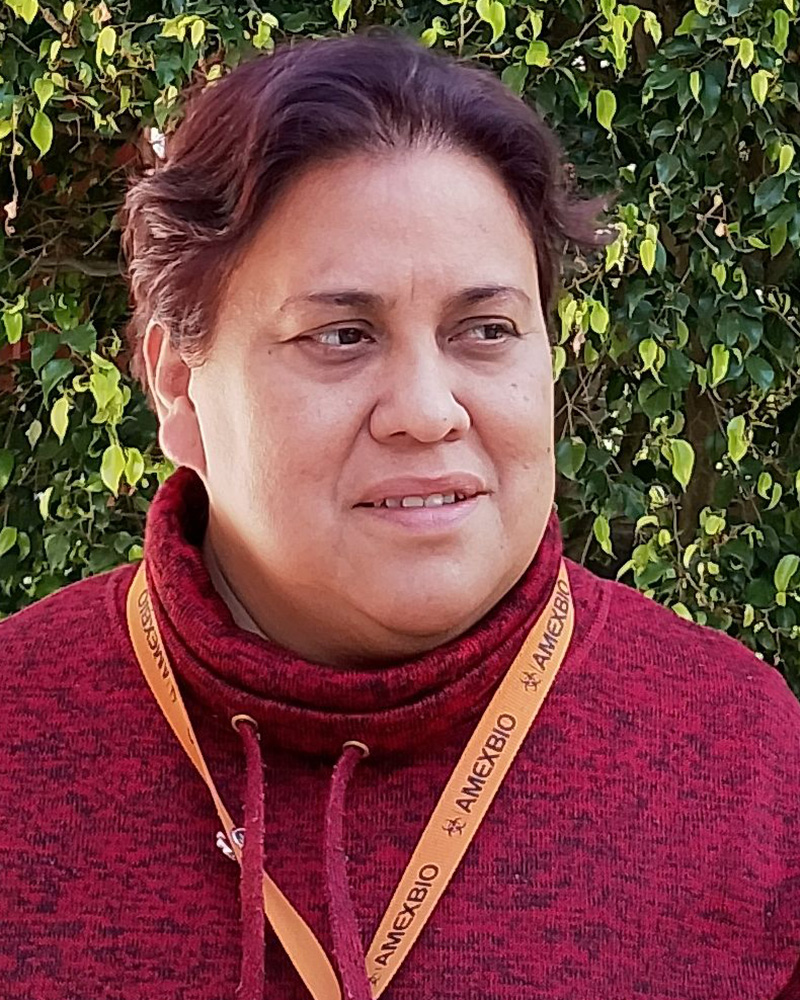 Klintsy Torres is a Clinical Chemist from Veracruz University, and PhD from the National Autonomous University of Mexico. She has two postdoctoral studies, the first one at Heinrich Heine Universitaet in Düsseldorf, Germany, with the 2009 MacDonald Fellowship from the Multiple Sclerosis International Federation, and the second at the National Institute of Neurology and Neurosurgery in México City. She was an ABSA member in 2005-2007. She is a Founding Member and President the Mexican Biosafety Association (AMEXBIO) from 2021-2022. She has been a course professor with AMEXBIO since 2009. She has been working as a Medical Sciences Researcher at the Infectious Diseases Research Center at the National Institute of Respiratory Diseases in México City since 2000.
 Ms. Jessica Hammes serves as Director within U.S. Customs and Border Protection’s Office of Field Operations, Agriculture Programs and Trade Liaison Directorate. In this critical role, she leads the Agriculture Safeguarding and Risk Management division, dedicated to protecting American agriculture and natural resources by preventing the entry of biological threats at the border. Ms. Hammes joined CBP in 2005 at John F. Kennedy International Airport. Throughout her distinguished career, she has held various leadership and managerial positions. Most recently, she served as Branch Chief for Biological Threat Exclusion within the same division. In this capacity, she was responsible for overseeing Biological Threat Exclusion Coordinators, managing the development of the Biological Threat Operations Specialist Program, and providing essential technical guidance for biological materials at ports of entry. Ms. Hammes holds a Bachelor of Science degree in Environmental Biology and a Master of Arts degree in Government and Politics from St. John’s University.
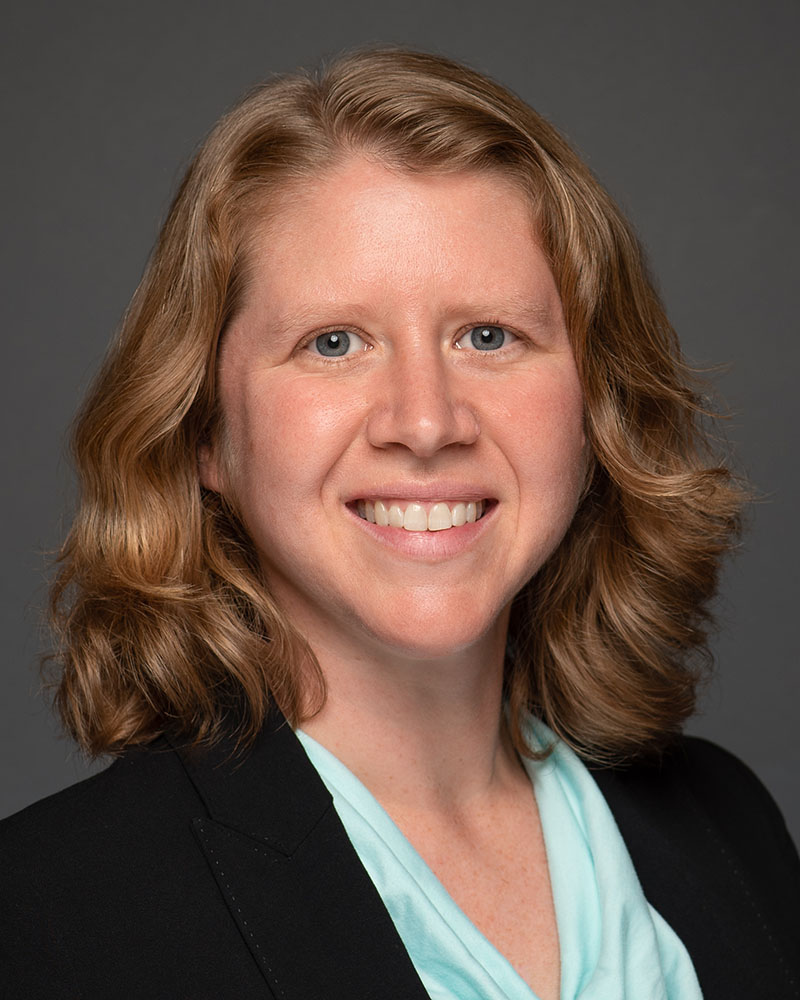 Dr. Sarah R. Carter is the Principal at Science Policy Consulting LLC. For more than 15 years, she has focused on advances in the tools and capabilities for engineering biology, biosecurity frameworks, and international norms for biosecurity. She is currently working with the Coalition for Epidemic Preparedness Innovations (CEPI) on developing and implementing practical biosecurity guardrails for agentic biological AI systems. Other recent work, including projects with the Nuclear Threat Initiative and other non-profit organizations, focused on the implications of artificial intelligence (AI) for biosecurity and approaches to reduce risks related to the misuse of biological AI tools. Previously, she worked in the Policy Center of the J. Craig Venter Institute and at the White House Office of Science and Technology Policy (OSTP). She is a former AAAS S&T Policy Fellow and a former Mirzayan S&T Policy Fellow of the National Academies. She earned her PhD from University of California—San Francisco, and her bachelor’s degree from Duke University.
12:35 – 1:30 pm | Lunch
Session IV | Beyond Compliance: Modern Biosecurity Regulatory Oversight
Moderator: Mary Turlington-Powell, MS, RBP(ABSA), MLT(ASCP), Arizona State University, Tempe, AZ
1:30 – 1:50 pm | Creating a Biosafety Quality Assurance Program
Kathleen M. Woods Ignatoski, PhD, CPBCA, University of Michigan, Ann Arbor, MI
1:50 – 2:10 pm | Having a Say: Thirty Years of Public Commenting on the Select Agent Regulations
Michael Parker, PhD, Georgetown University, Washington, DC
2:10 – 2:30 pm | NIH Initiative to Modernize and Strengthen Biosafety Oversight Update: Biosecurity and Biosafety Perspectives
Andrew Maksymowych, PhD, RBP(ABSA), University of Pennsylvania, Philadelphia, PA
2:30 – 3:00 pm | Q&A Session
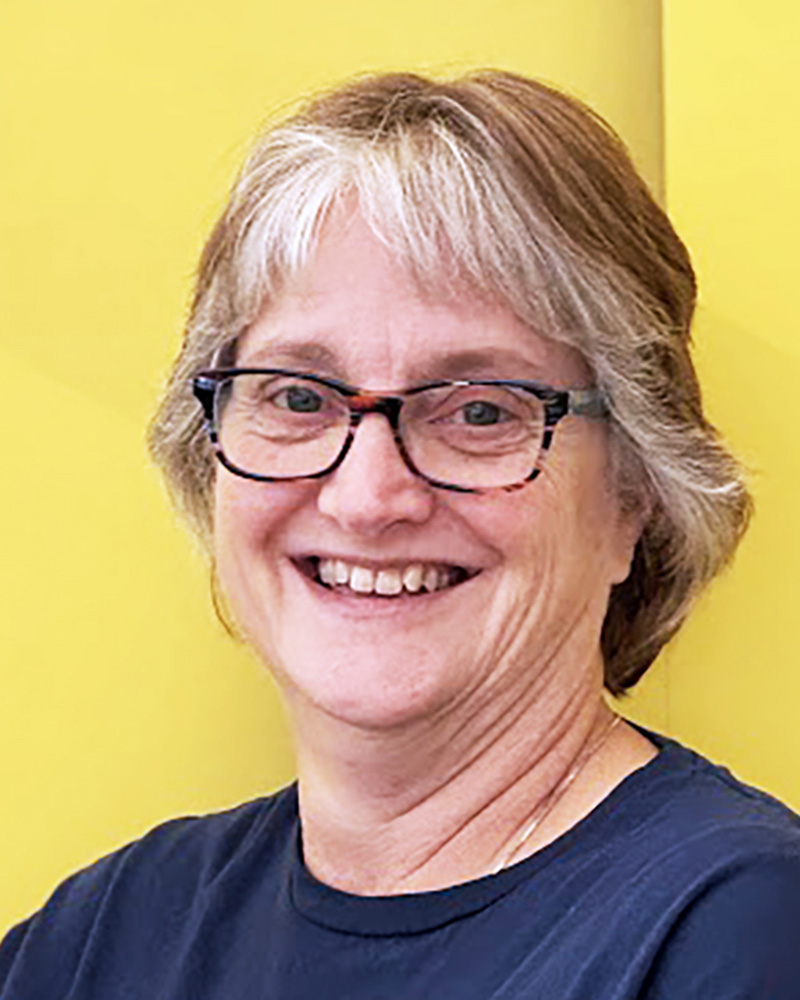 Kathleen M. Woods Ignatoski received a BS in Biology (Genetics and Developmental Biology) from Penn State University, a MS in Biology from Villanova University, and a PhD in Cell and Molecular Biology from Penn State University’s Medical School. She has been at the University of Michigan after a short postdoc at Villanova for over 30 years. Kathleen has published papers on virology, cell signaling, breast cancer, prostate cancer, bladder cancer, adrenal cortical carcinoma, development, colitis, bone metastasis, and kept a disparate department together during COVID. She has been helping departments with compliance as a side job for over 10 years, and three years ago she took a position to start a Biosafety Quality Assurance Program.
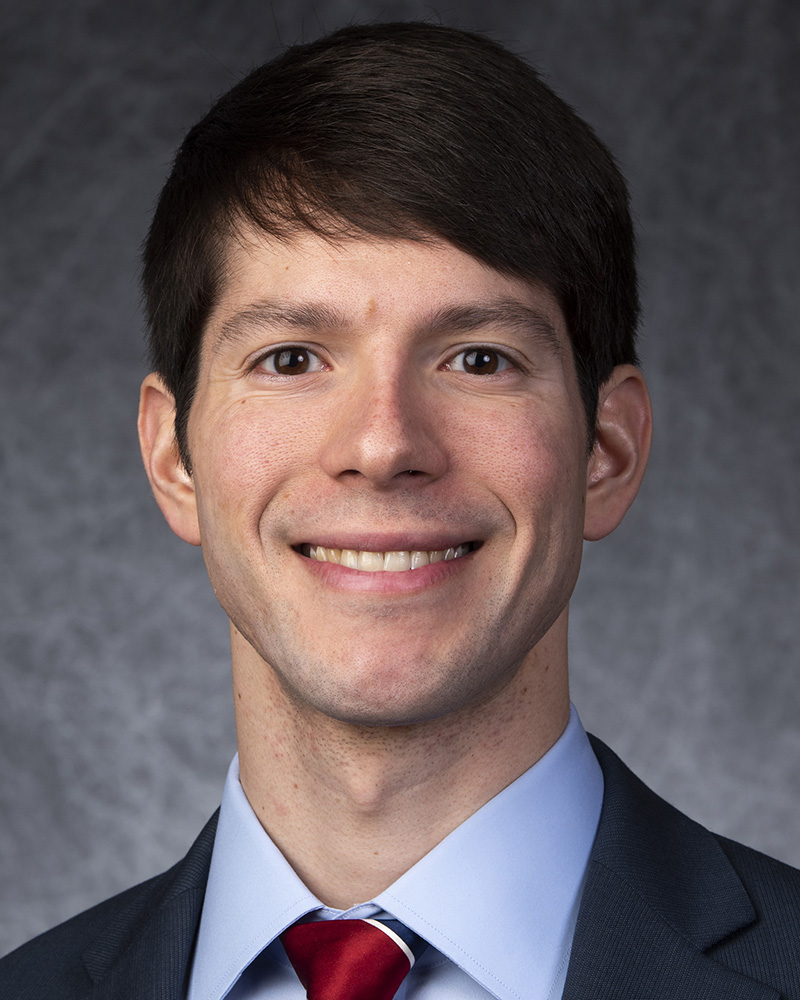 Michael Parker is an Assistant Dean at Georgetown University, where he advises Biology and Chemistry undergraduate degrees, teaches technical and policy coursework in the biology department, sits on a variety of university committees, and leads a team of undergraduate researchers in biosecurity policy. Dr. Parker holds a PhD in Immunobiology from Yale University, where he studied the mammalian innate immune response to viral infections, with particular focus on detection of RNA viruses by DNA sensing pathways. He has published work applicable in a variety of fields, including genetics, genomics, virology, immunology, microbiology, and biosecurity policy. Since receiving an Emerging Leaders in Biosecurity Fellowship in 2019, Dr. Parker has led a philanthropically funded research program that transposes his technical background (virology, immunology) into biosecurity policy work, which blends techniques of social science, philosophy, biology, and history. His group’s focus is to document and analyze the history of regulations that govern access to the most dangerous biological agents, using this knowledge to extrapolate trends, uncover lessons learned, and provide ideas to inform modern biosecurity. To date, Dr. Parker’s research has provided key insights into historical aspects of biosecurity analysis and governance in the United States, spanning topics including biological weapons, synthetic nucleic acids, chimeric viruses, and more.
 Andrew has been at the University of Pennsylvania since 2006. He is Penn’s Institutional Biosafety Officer, Associate Director for Life Sciences Safety (BIOSAFETY) and Compliance Programs, IBC Director & Administrator, and the Institutional Contact for Dual Use Research. He sits on the Vice Provost’s for Research, Human Research Advisory Committee, the Human Stem Cell Research Advisory Committee, the Cadaver and Body Parts Oversight Committee, and the Veterinary School’s Privately Owned Animal Protocol Review Committee. Andrew obtained his BS and MS degrees from Villanova University, and his PhD in Biochemistry from Bryn Mawr College. He has more than 20 years of teaching and 35 years of research experience, a major portion of which included oversight of research safety and compliance programs. Prior to his journey at Penn, he held a faculty appointment at Thomas Jefferson University where his research focused on the analysis of structure-function relationships in proteins, including protein toxins that poison the human nervous system, studying the mechanism of action of botulinum neurotoxins. He is passionate about supporting professional development for colleagues in the biosafety and biosecurity professions within and outside of Penn. Outside of Penn, Andrew is a founding member of the Biosafety Administrators Association (BSAA). The BSAA was instituted to facilitate training and provide professional support to those administering biosafety research compliance programs. He is a proud recipient of the ABSA International, John H. Richardson Special Recognition Award (2025).
3:00 – 3:10 pm | Break
Session V | Select Agent – State of the Union Discussion
Moderator: Enitra Jones Sprouse, PhD, ASC, RBP(ABSA), CBSP(ABSA), Atlanta, GA
3:10 – 4:10 pm | U.S. Federal Select Agent Program (FSAP) – Oversight of Select Agents and Toxins
Shelley Jorgensen, PhD, Centers for Disease Control and Prevention, Atlanta, GA
Scott Pfister, PhD, USDA—Animal and Plant Health Inspection Service (APHIS), Beltsville, MD
 Dr. Shelley Jorgensen, PhD, serves as Director of the Division of Regulatory Science and Compliance within the Office of Readiness and Response at the Centers for Disease Control and Prevention (CDC). In this role, she leads national programs that oversee regulatory compliance, biosafety, and biosecurity for laboratories working with infectious biological agents and toxins. Her portfolio includes oversight of select agent regulations, poliovirus containment efforts, and importation controls, ensuring alignment with U.S. policy and international standards for laboratory safety and security. Dr. Jorgensen brings more than 30 years of experience in healthcare, biomedical research, and regulatory science. Her career has focused on strengthening biosafety frameworks, advancing responsible laboratory practices, and supporting public health preparedness. She has held senior leadership roles guiding compliance programs, personnel reliability initiatives, and institutional oversight efforts designed to protect laboratory workers, communities, and global health. In addition to her regulatory leadership, Dr. Jorgensen has contributed to national research and medical programs supporting infectious disease response and trauma care innovation. She has led collaborative, multi-institutional initiatives aimed at improving clinical outcomes and strengthening health systems for both civilian and military populations. Dr. Jorgensen began her career as a microbiologist and clinical laboratory scientist, with specialized training in clinical laboratory medicine, laboratory management, and operations in complex environments. Her experience includes supporting large-scale public health responses and workforce readiness efforts during global health emergencies. She earned her PhD in biological defense from George Mason University, a master’s degree in healthcare administration from Central Michigan University, and a bachelor’s degree in biology from the University of Tampa.
 Dr. Scott Pfister serves as Director of the Division of Agricultural Select Agents and Toxins within the U.S. Department of Agriculture’s Animal and Plant Health Inspection Service. In this role, he leads the agricultural component of the Federal Select Agent Program, overseeing regulatory oversight of laboratories that work with infectious biological select agents and toxins. His work focuses on ensuring that research and diagnostic activities involving high-consequence pathogens are conducted safely, securely, and in full compliance with federal regulations, supporting both national biosecurity and scientific advancement. With more than 35 years of experience in plant health and regulatory programs, Dr. Pfister has held leadership roles spanning field operations, policy development, and scientific methods advancement. His career has encompassed the full spectrum of plant protection activities, including safeguarding U.S. agriculture and natural resources from invasive pests and diseases. He has directed multidisciplinary scientific teams and guided strategic policy initiatives that strengthen regulatory frameworks and enhance emergency preparedness. Dr. Pfister holds a PhD in Natural Resources, a Master of Science in Plant Pathology, and a Bachelor of Science in Agronomy. His academic training underpins a career dedicated to science-based regulation, environmental stewardship, and agricultural resilience. In addition to his civilian service, Dr. Pfister served for 25 years in the Army National Guard as a preventive medicine officer, retiring at the rank of Lieutenant Colonel. His combined scientific, regulatory, and leadership experience positions him as a respected voice in biosafety, biosecurity, and plant health protection at both national and international levels.
4:10 pm | Close of Day
Enitra Jones Sprouse, PhD, ASC, RBP(ABSA), CBSP(ABSA), Atlanta, GA
Wednesday, May 13, 2026
8:00 – 8:05 am | Welcome
Ryan Burnette, PhD, Merrick & Company, Greenwood Village, CO
Session VI Keynote Speaker
Moderator: Ryan Burnette, PhD, Merrick & Company, Greenwood Village, CO
8:05 – 8:50 am | Built to Code: Standards and International Alignment for Nucleic Acid Synthesis Screening
Becky Mackelprang, PhD, Engineering Biology Research Consortium, Emeryville, CA
8:50 – 9:05 am | Q&A Session
 Becky Mackelprang, PhD, is the Director for Security Programs at the Engineering Biology Research Consortium (EBRC). Becky leads EBRC’s Security Focus Area, bringing stakeholders across academia, industry, and government together to integrate security awareness into the policy and practice of engineering biology. She is committed to domestic and international efforts to develop biosecurity standards, including for nucleic acid synthesis screening and intersection of AI and bio. She believes that effective, fit-for-purpose “top-down” biosecurity policy must be informed by “bottom-up” engagement and technical understanding. Globally, she leads regional workshops to support the integration of regional contexts and considerations into policy and standards development for a secure and resilient global bioeconomy. Dr. Mackelprang holds a PhD in Plant Biology from UC Berkeley, where she researched plant-pathogen interactions, and a BS from the University of Utah. Interested in the interface between science and society, she next completed a postdoctoral appointment in science communication, followed by the AAAS Mass Media Fellowship. She then transitioned toward science policy, beginning with a postdoctoral appointment at EBRC and growing to lead and build EBRC’s Security Focus Area.
9:05 – 9:15 am | Break
Session VII Global Health Security
Moderator: Mary Turlington-Powell, MS, RBP(ABSA), MLT(ASCP), Arizona State University, Tempe, AZ
9:15 – 9:35 am | Strengthening Biosecurity Systems in Low-Resource and High-Risk Settings
Valentin Disashi, MS, National Institute of Biomedical Research, Kinshasa, Democratic Republic of the Congo
9:35 – 9:55 am | Challenges of Commissioning High-Containment Laboratories in Brazil
Claudio Mafra, DVM, MSc, PhD, Brazilian Society for Biosafety and Biosecurity (SB3), Vicosa, Brazil
9:55 – 10:15 am | Virtual Biorepository to Strengthen Institutional and National Biosecurity Status Contributing to Global Public Health Security
Md Asadulghani, PhD, icddr,b, Dhaka, Bangladesh
10:15 – 10:45 am | Q&A Session
 Valentin Disashi is the Technical Manager of High-Containment Laboratories (BSL-3) at the National Institute of Biomedical Research (INRB) in Kinshasa. He oversees the management, operation and maintenance of laboratory buildings and facilities, ensuring exceptional biosecurity standards. Holding a master’s degree in Wireless Communication and a bachelor’s degree in Electronics and Communication Engineering from Lovely Professional University (LPU) in India, with over six years of experience in the field of biomedical research and as an IFBA‑certified professional in Biorisk Management, Valentin’s expertise is applied to enhance the safety and security of high-containment laboratories. His work supports epidemic and pandemic preparedness, outbreak response and infectious disease research. He also contributes to global public health efforts through innovative biosecurity and biosafety solutions, regional exchange of experience and collaboration, sustainable operation and maintenance of High-Containment Laboratories as well as science diplomacy and policy through his support to the G7-led Global Partnership Against the Spread of Weapons and Materials of Mass Destruction (GPWMD), Biological Weapons Convention (BWC) and World Health Organization (WHO).
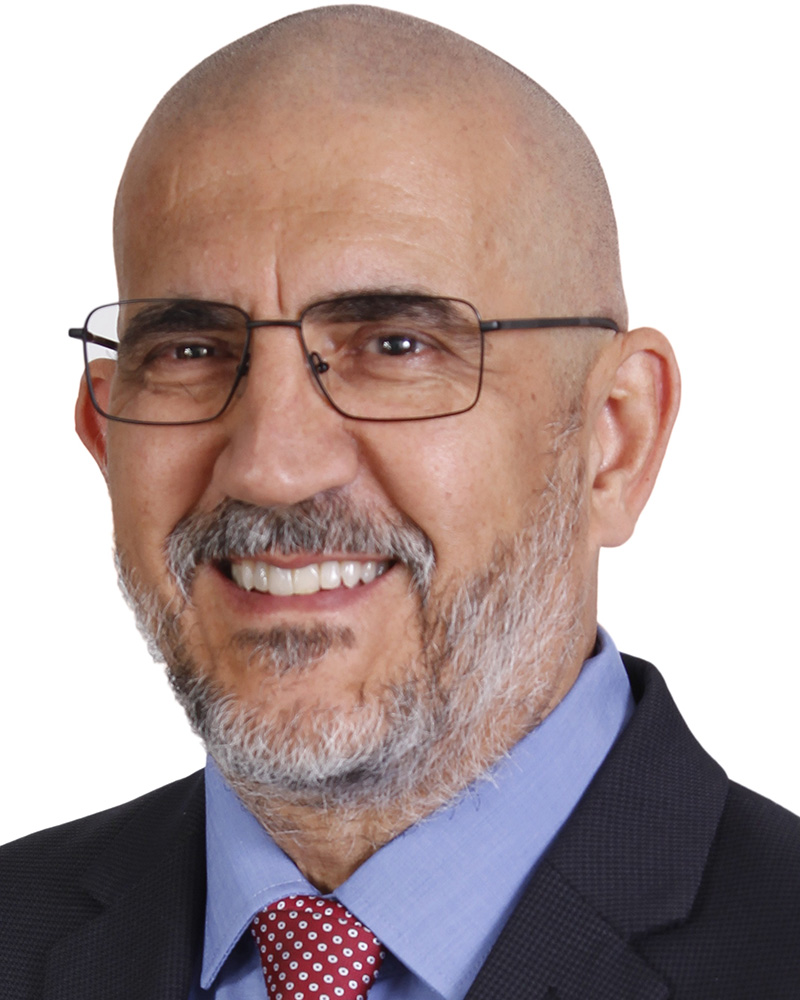 Cláudio Mafra, DVM, MSc, PhD, is an international biosafety and biosecurity professional with over 30 years of experience working across academic institutions, government programs, and high-containment laboratory environments. His work focuses on helping organizations develop practical, risk-based approaches to biological risk management that align policy, infrastructure, and day-to-day laboratory operations. He completed three postdoctoral appointments at the University of Texas Medical Branch (UTMB), Galveston, where he gained hands-on experience in high-containment laboratory settings. This experience shaped his approach by emphasizing real-world implementation, operational challenges, and the importance of institutional culture. Dr. Mafra is the Founder and President of the Brazilian Society for Biosafety and Biosecurity (SB3) and serves as Chair of the Professional Certification Board of the International Federation of Biosafety Associations (IFBA). He is an active member of ABSA International and contributes to training, mentoring, and capacity-building initiatives within the global biosafety community. He has served on the WHO Technical Advisory Group on Biosafety (TAG-B) and has supported international efforts led by organizations such as the U.S. Department of State Biosecurity Engagement Program and Non-Proliferation Fund, GIZ, the Organization of American States, and Health Security Partners. His work includes advisory and mentoring roles across Africa, Latin America, and Asia, supporting institutional and national-level capacity development. His areas of interest include ISO 35001 implementation and auditing, high-containment laboratory operations, workforce development, and support to public policy development in biosafety and biosecurity. He is a Certified ISO 35001:2019 Lead Auditor and is particularly engaged in designing training programs that incorporate simulation, decision-making, and human factors to strengthen biosafety culture and support more resilient laboratory systems.
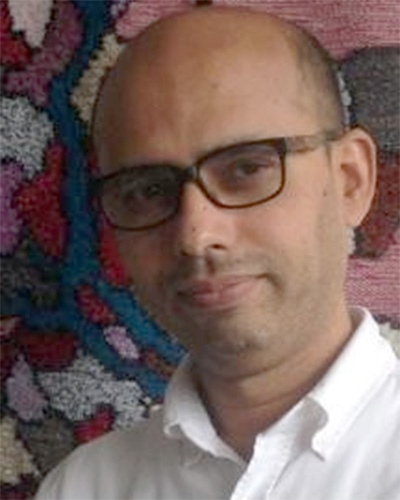 Dr. Asadulghani completed his PhD in September 2004 from Saitama University, Japan. He completed his postdoctoral research at Miyazaki University, Japan, in March 2008. He joined as an Assistant Professor at the Division of Microbiology, Department Bacteriology to work in the field of genetics and genomics of enteric pathogens. Later he was trained as a biosafety professional and joined icddr,b in Bangladesh and is currently head of the biosafety program for the organization and in the entire country, as well. He has developed and implemented policies, procedures, and guidelines for icddr,b’s biosafety and biosecurity program. He has established central biorepository for biological specimens, stored for research and diagnostic activities, at icddr,b and designed and implemented a Virtual Biorepository for inventory management, storage, track transfer, and disposal of the specimens. He is the pioneer in initiating biosafety and biosecurity programs and initiated the production of low-cost and high-quality solid-biohazardous waste-packaging materials in Bangladesh. He is also the technical lead for the microbiology laboratory capacity building program under the Fleming Fund Country grant to Bangladesh. He has written a few book chapters, published articles in those areas, worked in reputed journals; presented in many international conferences; and organized more than 50 conferences, symposiums, or workshops. He is the Chairman of Bangladesh Biosafety and Biosecurity Society; EXCO Member, Asia-Pacific Biosafety Association. Currently, he is a member of the International Engagement Committee of ABSA International.
10:45 – 10:55 am | Break
Session VIII Agricultural Biosecurity
Moderator: Susan Gater, MS, RBP(ABSA), Texas A&M University, College Station, TX
10:55 – 11:15 am | Agricultural Biosecurity in the One Health Era
Susan Harper, DVM, MS, DACLAM, DACVPM, RBP(ABSA), Private Consultant, Shepherdstown, WV
11:15 – 11:35 am | A World Without PRRS: What Does It Look Like?
Scott Dee, DVM, PhD, Emeritus, University of Minnesota College of Veterinary Medicine and Pipestone Research, Pipestone, MN
11:35 – 11:55 am | New Zealand’s National Biocontainment Laboratory – a Gatekeeper of Biosecurity
Richard Spence, PhD, Ministry for Primary Industries, Upper Hutt, New Zealand
11:55 – 12:15 pm | Topic: Practical Applications of Biosecurity
Danelle Bickett-Weddle, DVM, MPH, PhD, DACVPM, Iowa State University, Ames, IA
Charles Broaddus, DVM, PhD, Virginia Department of Agriculture and Consumer Services, Richmond, VA
12:15 – 12:45 pm | Q&A Session
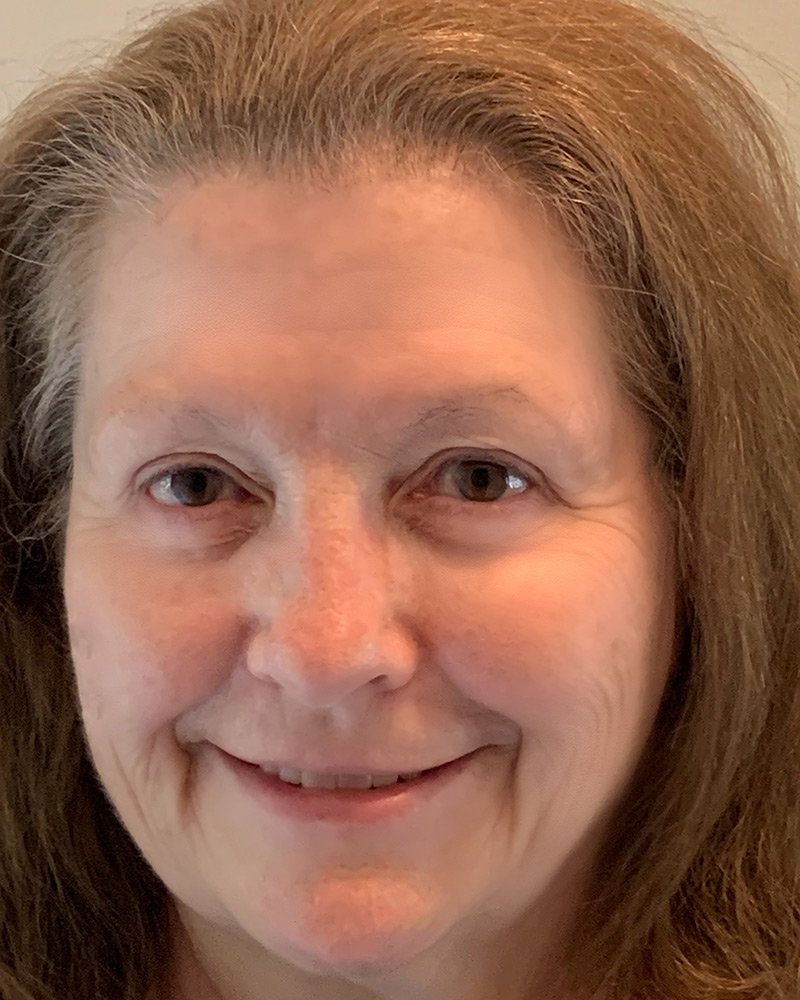 Dr. Susan Harper received her DVM from Louisiana State University and worked in large animal practice for several years before enrolling in a post-doctoral residency in comparative medicine at the Penn State University College of Medicine. She served on the Penn State faculty for 2 years following graduation, before accepting a position with the National Institutes of Health (NIH). She has worked at several different Departments and Agencies during her federal career and currently serves as the Deputy Director for the NIH Office of Animal Care and Use in Bethesda, MD. She is a diplomate of the American College of Laboratory Animal Medicine (ACLAM) and the American College of Veterinary Preventative Medicine (ACVPM); a Registered Biosafety Professional (RBP) through the American Biological Safety Association (ABSA); and serves on the AAALAC International Council on Accreditation.
 Scott Dee earned a DVM, MS, and PhD from the University of Minnesota, is board-certified in veterinary microbiology, past President of the American Association of Swine Veterinarians, and currently serves on the AVMA House of Delegates where he has written policy promoting the use of science-based biosecurity for the benefit of the veterinary profession and all animal species. After 12 years in swine practice and another 12 years in academia, Scott joined Pipestone Veterinary Services as Director of Applied Research, where he served as Director of Discovery and Innovation for Pipestone for 13 years. Throughout his career, he has been awarded >12.5 M in research funding and published 194 peer reviewed papers, including the initial publications on the proof of concept of PEDV transmission in feed and the transboundary survival of ASFV in feed. He developed the initial knowledge and industry-wide protocols to understand and control Porcine Reproductive and Respiratory Syndrome Virus (PRRSV) infection at the farm level. Scott has received the AASV Practitioner of the Year, the Howard Dunne Memorial, and Leman Science in Practice awards, a Warrior Chip from the FBI, and is a Master of the U.S. Pork Industry. He has been awarded the Distinguished Service to the U.S. Pork Industry Award from the National Pork Board and the Distinguished Service and Research award from the PRRS scientific community and recognized as the Distinguished Research Alumnus by the UMN College of Veterinary Medicine. Scott is currently retired, and he and his wife Lisa live in Alexandria, MN and have two children: Nicholas, a medical student at the University of Minnesota Duluth and Ellen, a CPA at Cargill, along with Matilda, a 5-year-old Scottish Terrier.
 Dr. Richard Spence is a highly experienced laboratory operations and systems leader with more than two decades of expertise across high‑containment laboratory facility management, biosafety, diagnostic microbiology, and organisational assurance. Based in New Zealand, Richard has built a distinguished career developing high‑performing teams, strengthening critical laboratory systems, and enhancing national capability to respond to high‑consequence animal and human disease threats. Since 2019, Richard has served as the Assurance, Biosafety and Containment Manager for the National Biocontainment Laboratory (NBL) within the Ministry for Primary Industries (MPI). In this role, he leads a multidisciplinary team responsible for the safe, compliant, and efficient operation of New Zealand’s highest‑level containment facilities (PC3/BSL3+). Prior to his current role, Richard held several senior leadership positions within diagnostic laboratories in New Zealand and the UK. Across these roles, he led diagnostic service delivery for biosecurity investigations, diagnostic testing, national disease responses, and research. Widely respected in the international biosafety and high‑containment community, Richard contributes to various boards, committees, and specialist working groups. He is a Board Director and former President of the Association of Biosafety for Australia and New Zealand (ABSANZ), a member of the ad hoc World Organisation for Animal Health Terrestrial Manual biosafety and biosecurity chapter review group, and an active member of several global high‑containment laboratory networks. From 2012 to 2019 he also served as a Technical Expert and accredited external laboratory auditor for International Accreditation New Zealand.
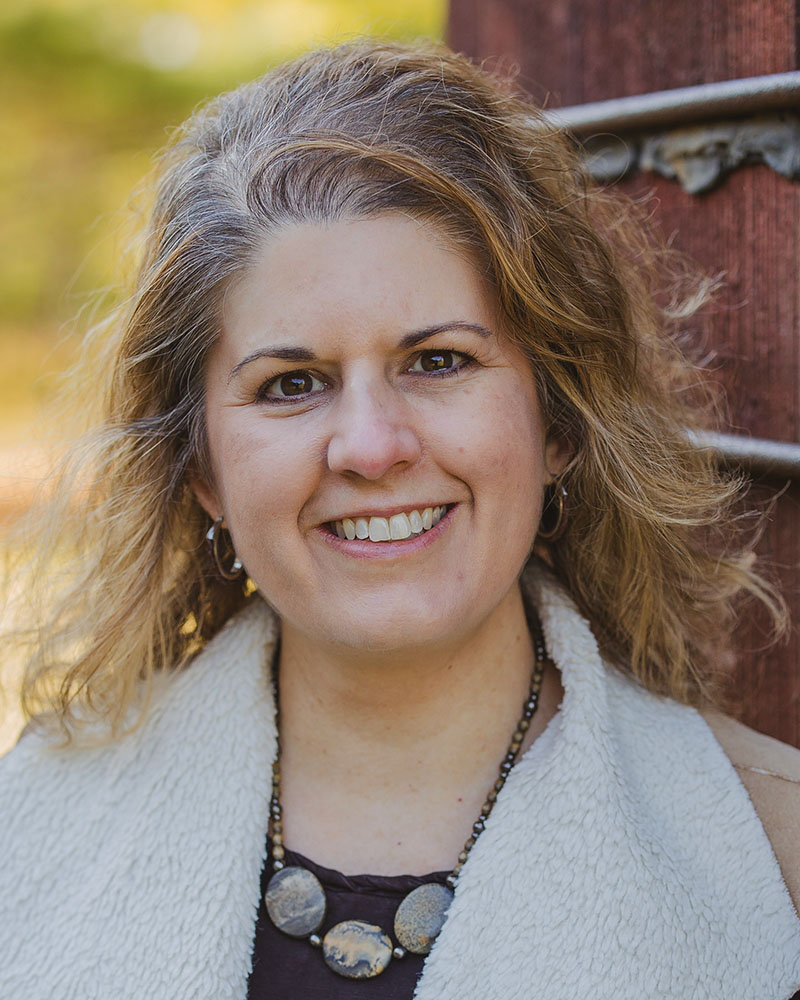 Dr. Danelle Bickett-Weddle is a veterinarian with over 25 years of experience promoting livestock health through action. Dr. Bickett-Weddle with Preventalytics, a company she founded, supports livestock producers and decision makers interested in business continuity. Her clients include the National Milk Producer’s Federation, the National Cattlemen’s Beef Association, the American Sheep Industry Association and several state departments of agriculture working on Secure Food Supply outreach, education, and preparedness planning. She was a practicing veterinarian in South Dakota and a nutritionist for Land O’Lakes/Farmland Feed in the upper Midwest prior to her academic career at Iowa State. Her first-hand experience in agriculture, training in public health, and board certification in veterinary preventive medicine, combined with common-sense approaches, allow her to successfully connect with audiences and clients. While her formal education occurred in South Dakota and Iowa, her informal education is ongoing!
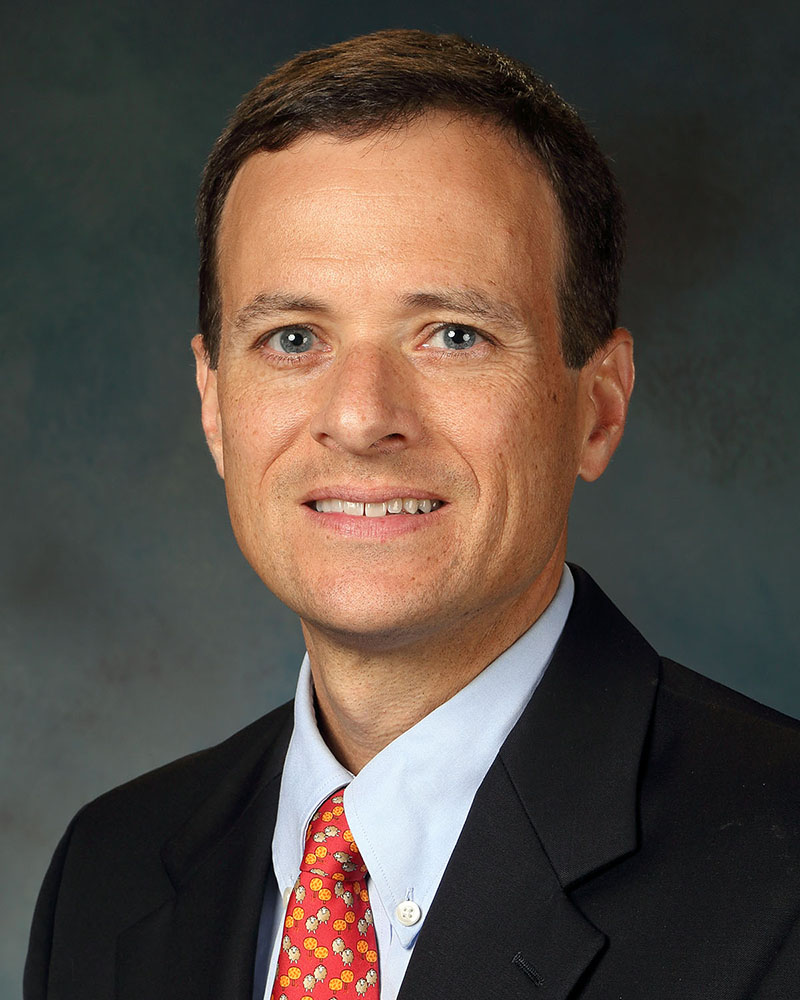 Dr. Charlie Broaddus began in his current role in 2016 as the State Veterinarian and Director of the Division of Animal and Food Industry Services for the Virginia Department of Agriculture and Consumer Services (VDACS). In this position, he provides leadership in support of Virginia’s livestock, poultry, and food sectors through regulatory oversight; oversees animal welfare compliance at public and private animal shelters; operates four animal health laboratories; oversees Virginia’s retail hemp enforcement program; protects public health by performing food inspections; and plans for and responds to infectious disease events and foodborne disease outbreaks. Prior to that, he worked for 7 years as the Program Manager for the Office of Veterinary Services at VDACS, and before that, he was in practice, working on both large and small animals. Broaddus received his BA in Economics from the University of Virginia, Doctor of Veterinary Medicine from Auburn University, and PhD in Veterinary Biomedical Sciences from Oklahoma State University. Broaddus also serves in the Army Reserves Veterinary Corps, and was deployed to Afghanistan 2019-2020, where he provided veterinary care for military working dogs and oversaw the food safety program for U.S. forces in Afghanistan. His wife, Kristy, is a small animal veterinary surgeon with a specialty practice in Mechanicsville, and they live in Hanover County with their three children.
12:45 – 1:45 pm | Lunch
Session IX Emerging Technology
Moderator: Mary Turlington-Powell, MS, RBP(ABSA), MLT(ASCP), Arizona State University, Tempe, AZ
1:45 – 2:05 pm | Biosecurity Research Oversight: A Framework for Information Disclosures in Biosecurity
Adejare Atanda, DMD, DrPH, MPH, Rand Corporation, Arlington, VA
2:05 – 2:25 pm | Governing Autonomous Laboratory Systems: Biosecurity Risks of AI-Enabled Automation
Leyma P. De Haro, PhD, RBP(ABSA), Merrick & Company, Greenwood Village, CO
2:25 – 2:45 pm | Biosecurity Policy in Practice for Dual Use and Pandemic Pathogen Research
David Gillum, PhD, RBP(ABSA), University of Nevada—Reno, Reno, NV
2:45 – 3:15 pm | Q&A Session
 Adejare (Jay) Atanda is a senior policy researcher at the Meselson Center within the Global and Emerging Risk division at RAND. His research examines development of new technological tools, the potential to misuse them and their convergence with traditional threats with a primary focus on AI security, biosecurity, and AIxBio policy. Atanda has written for scientific audiences and the public, publishing refereed work in the International Journal of Public Health, Health Security, Cancer Letters, BMJ Open, and BMC Oral Health. He has presented his work at both national and international meetings of experts such as the WHO Global Technical Meeting and is a frequent guest speaker at several universities. His prior research used real-world data, health econometrics, and big data methods to generate real world evidence that inform dental outcomes. Before coming to RAND, Atanda managed a policy and research portfolio at the U.S. Department of Homeland Security’s Countering Weapons of Mass Destruction Office. Atanda is co-chair of the Data and Information Technology workgroup of the Maryland Commission of Public Health, serves on the epidemiology section of the American Public Health Association, the scientific program committee of the Global Health Security Conference and the editorial board of several journals. He earned a DMD from University of Ibadan, an MPH from Johns Hopkins University, a DrPH from Morgan State University, and completed his residency training at the National Institute of Dental and Craniofacial Research at NIH.
 Leyma Pérez De Haro, PhD is an internationally recognized expert in biosafety and biosecurity. She is the author of the book titled “Biosecurity in the Age of Synthetic Biology” (CRC, 2024). Dr. De Haro has over 16 years of experience as a scientist and biorisk management professional, helping laboratories and organizations enhance their biosafety and biosecurity practices. Her background in innovative scientific research enables her to understand the unique safety challenges laboratories and organizations face in today’s rapidly evolving world of life sciences. With a keen focus on fostering a culture of responsibility and safety, Dr. De Haro is committed to promoting best practices in biosafety and biosecurity globally, supporting the life sciences community in its pursuit of groundbreaking discoveries and innovations.
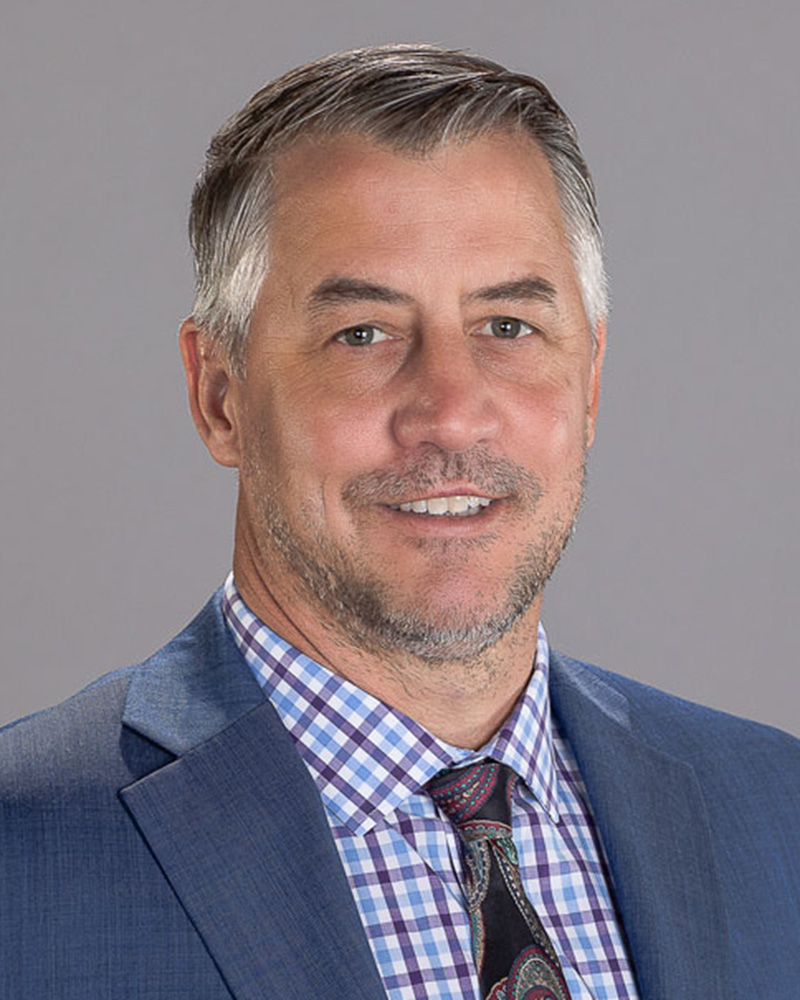 David R. Gillum, PhD is Associate Vice President for Compliance and Research Administration at the University of Nevada, Reno, where he oversees Animal Resources, Environmental Health & Safety, Research Integrity and Security, and Sponsored Projects. With more than three decades of experience in research compliance, safety, and risk management, he has led institutional programs that support safe, secure, and responsible scientific research. Dr. Gillum’s research focuses on biotechnology governance, including dual use research of concern (DURC), pathogens with enhanced pandemic potential (PEPP), synthetic biology, and genome editing. He is currently part of a National Institutes of Health–funded research project examining how biosafety and biosecurity policies are interpreted and implemented across U.S. research institutions. The project combines surveys, interviews, and practitioner workshops to understand how biosecurity governance functions in practice and where gaps exist between policy intent and institutional implementation. He has published on biotechnology governance and biosecurity policy in venues including Science, Issues in Science and Technology, STAT News, The Bulletin of the Atomic Scientists, Applied Biosafety, and Frontiers in Bioengineering and Biotechnology. Dr. Gillum served as President of ABSA International in 2020 and received the FBI Director’s Community Leadership Award in 2019 for his contributions to biosecurity and public safety.
3:15 – 3:25 pm | Break
Session X Emerging Technology II
Moderator: Max Schroeder, Centers for Disease Control and Prevention, Atlanta, GA
3:25 – 3:45 pm | Synthetic Cells: New-to Nature Opportunities and Concerns
Kate Adamala, University of Minnesota, Minneapolis, MN
3:45 – 4:05 pm | Mirror Life is a Threat That has Been Taken Out of Proportion
David Perrin, PhD, The University of British Columbia, Vancouver, British Columbia, Canada
4:05 – 4:25 pm | Q&A Session
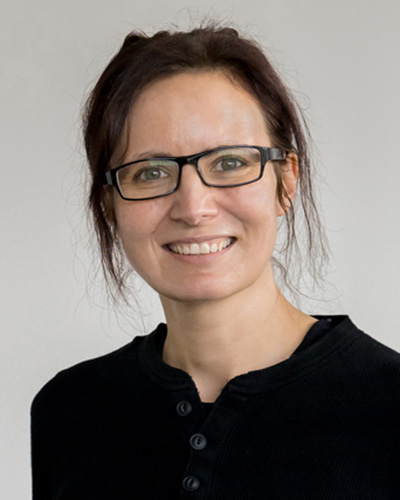 Kate Adamala is McKnight Presidential Fellow Associate Professor at the University of Minnesota, and a Polymath Fellow of the Geneva Center for Security Policy. Her research focuses on synthetic cell engineering, with the aim of understanding chemical principles of biology, using artificial cells to create new tools for bioengineering, medicine, and foundational research. The interests of the lab span questions from the origin and earliest evolution of life, using synthetic biology to colonize space, to the future of biotechnology and medicine. Kate is a co-founder of the synthetic cell therapeutics startup Synlife, a leader of the BioBOLD Initiative, and co-founder and coordinator of the international synthetic cell engineering consortium Build-a-Cell. Lab info protobiology.org
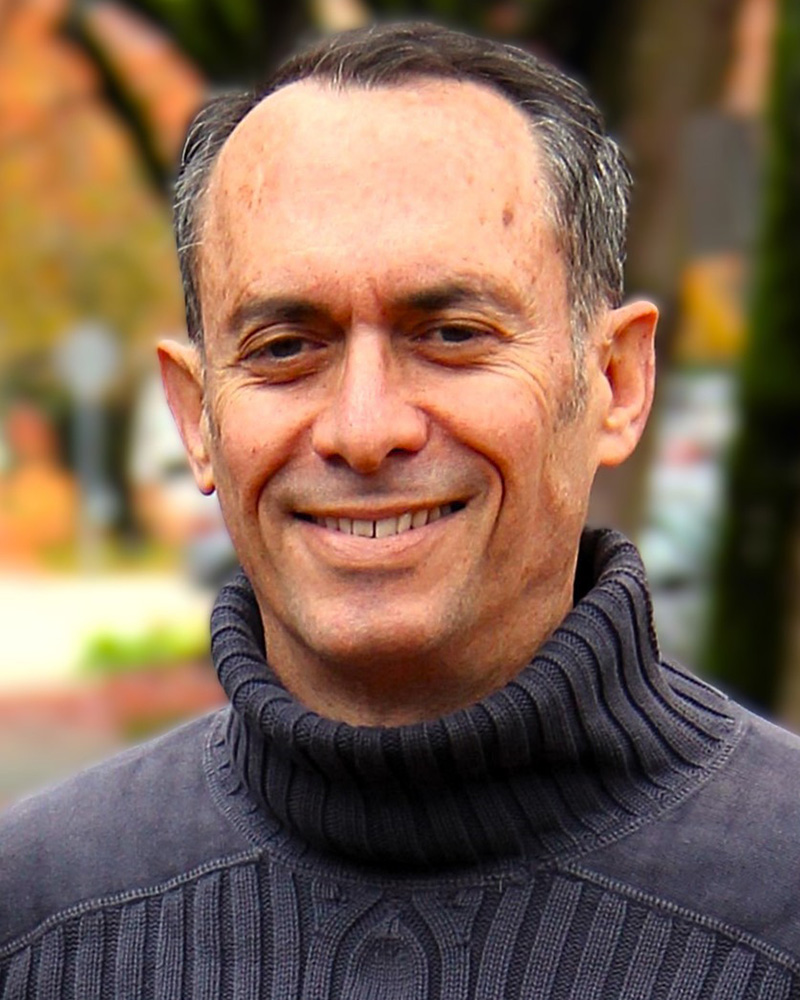 David Perrin is a leading figure in the field of bio-organic chemistry. He completed his undergraduate studies in biochemistry at the University of California, Berkeley, before pursuing a PhD in biological chemistry at the University of California, Los Angeles. Following his doctoral training, Dr. Perrin declined a Fulbright fellowship in favor of an NSF–NATO fellowship, which took him to the Natural History Museum in Paris for postdoctoral research. There, he investigated modified nucleoside triphosphates in the context of origin-of-life chemistry, laying the foundation for his future interdisciplinary work. In 2000, Dr. Perrin joined the University of British Columbia as an assistant professor, where he has since advanced to the rank of full professor. Over the course of his career, he has established himself as an internationally recognized expert in bio-organic chemistry, with a research program that bridges synthetic organic chemistry and complex biological systems. His work spans diverse areas, including modified nucleic acids, peptide-based toxins for cancer therapeutics, and the development of novel methods for positron emission tomography (PET) imaging of cancer. His contributions have led to more than a dozen patents and reflect a strong commitment to translating fundamental discoveries into clinical applications. Professor Perrin has published over 135 peer-reviewed articles, demonstrating both the breadth and depth of his research. His achievements have been recognized through numerous awards, including the Teva Canada Award from the Chemical Institute of Canada and both the Junior and Senior Scholar Awards from the Michael Smith Foundation for Health Research. He has also secured competitive research funding from major agencies such as NSERC, the Petroleum Research Fund, and the Canadian Institutes of Health Research.
4:25 – 4:35 pm | Break
Session XI Biosecurity Advancement
Moderator: David Gillum, PhD, RBP(ABSA), University of Nevada—Reno, Reno, NV
4:35 – 5:05 pm | NIH Modernization Panel – Live
Randy Albrecht, Dana-Farer Cancer Institute, Boston, MA
Rebecca Caruso, Harvard Medical School, Boston, MA
Colleen Driskill, RBP(ABSA), CBSP(ABSA), University of Massachusetts Chan Medical School, Worcester, MA
5:05 – 5:35 pm | Gene Synthesis Screening Policy Panel – Live
Moderator: Andrew Maksymowych, PhD, RBP(ABSA), University of Pennsylvania, Philadelphia, PA
Joshua Turse, PhD, CBSP(ABSA), Cornell University, Ithaca, NY
James Diggans, PhD, Twist Bioscience, San Francisco, CA
Stephanie Batalis, PhD, Georgetown University, Washington, DC
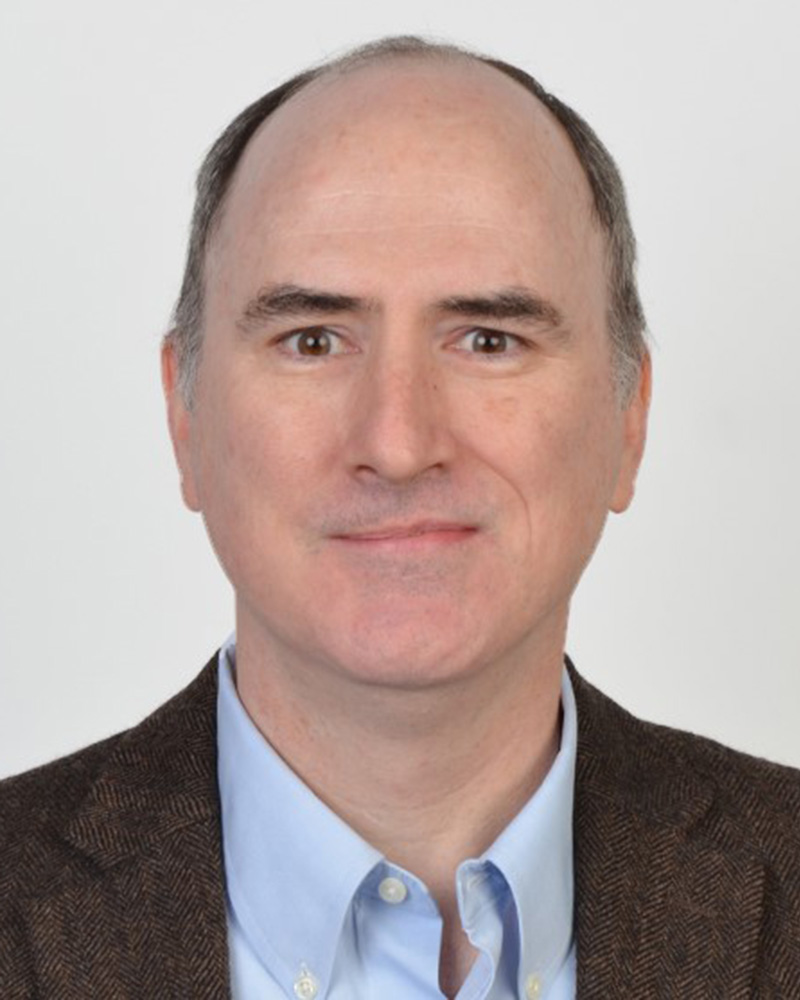 Dr. Randy A. Albrecht, PhD, RBP(ABSA), CBSP(ABSA), is a dedicated expert in biosafety and biosecurity, committed to the safe and responsible conduct of basic, clinical, and applied research. With over 20 years of academic research focused on viral emerging infectious diseases, Dr. Albrecht’s life science expertise is well-established. He has served as director of biocontainment facilities that support the conduct of research involving emerging infectious diseases. He has over 10 years of real-world experience leading biosafety and biosecurity programs at academic institutions. Dr. Albrecht plays an active role in shaping industry standards and policies through his involvement in ABSA International committees and working groups, the ASM’s Public and Scientific Affairs Committee (PSAC), and co-authorship of articles on life sciences policy and the biosafety profession.
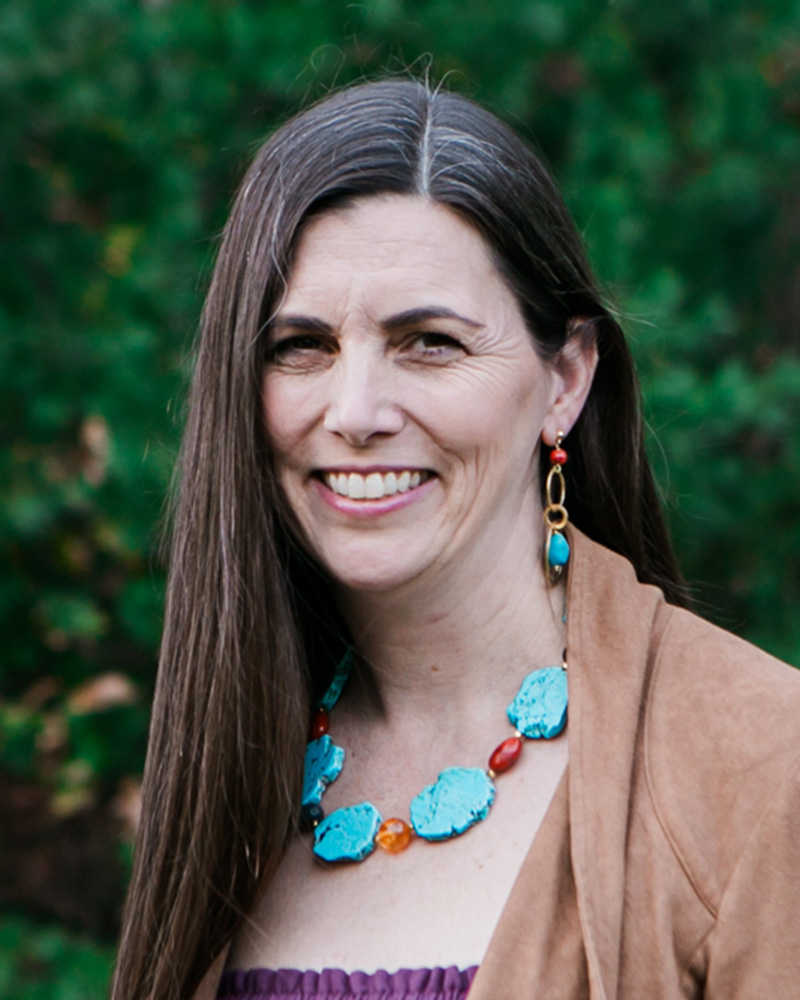 Rebecca Caruso is the Director of the Harvard Medical School Committee on Microbiological Safety and a 2020 recipient of the Daniel D. Federman Staff Award for Exceptional Service. With over 24 years of experience in biosafety, she oversees nearly 2,000 active biological research projects and more than 300 new high-risk or regulated biological studies annually. Her expertise spans biosafety and biosecurity oversight, program development, and policy implementation, including pivotal work from 2002 to 2010 on the design and operation of the National Emerging Infectious Disease Laboratory at Boston University. She also served as Biosafety Manager and Alternate Responsible Official for the Federal Select Agent Program during that time. Throughout her career, Rebecca Caruso has advanced biosafety education and collaboration, including her leadership role as Co-Chair of the Scientific Program Committee for the Harvard Yale Biosafety Symposium since 2016. During the COVID-19 pandemic, she led the rapid implementation of biosafety protocols to support ongoing research. Rebecca holds a Bachelor’s degree in Biology from Marist College, Master’s in Public Health from UMASS Amherst and advanced graduate studies from Boston University. A certified and registered biosafety professional with ABSA International, she has published in Applied Biosafety, Environmental Science and Technology, and other leading journals. Rebecca is also an advocate for women in science and medicine, having Co-Chaired the Joint Committee on the Status of Women at Harvard Medical School from 2016–2018.
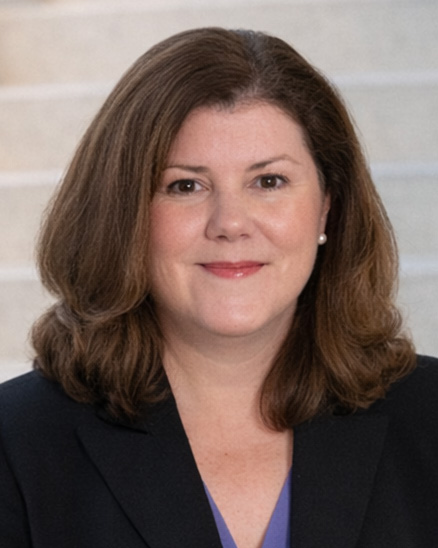 Colleen Driskill is the Director of Biosafety and Senior Biosafety Officer at the University of Massachusetts Chan Medical School, where she has served for the past 17 years. In this role, she provides institutional leadership for biosafety programs, regulatory compliance, and high‑containment research support. Prior to joining UMass Chan, Colleen worked at Pfizer Research and Development in Groton, Connecticut, where she was the Biological Safety Officer for a site of approximately 6,000 employees. In this role, she supported diverse research portfolios and gained extensive experience in managing biosafety needs at a large pharmaceutical R&D campus. Colleen holds both the Registered Biosafety Professional (RBP) and Certified Biological Safety Professional (CBSP) designations from ABSA International and is the Responsible Official for the UMass Chan “High Complexity” select agent program. Her expertise includes comprehensive biosafety program management, with a strong focus on advancing high‑containment research operations. She has been instrumental in strengthening compliance within a growing Biological Safety Level 3 (BSL-3) research environment. She has demonstrated experience implementing evolving regulatory and policy requirements, consistently resulting in strong inspection outcomes. With decades of experience in biosafety and environmental health and safety, Colleen brings a strong operational understanding of research environments and a commitment to building collaborative, risk‑aware cultures. She continues to be engaged in professional development, policy interpretation, and the advancement of safe and responsible biological research practices.
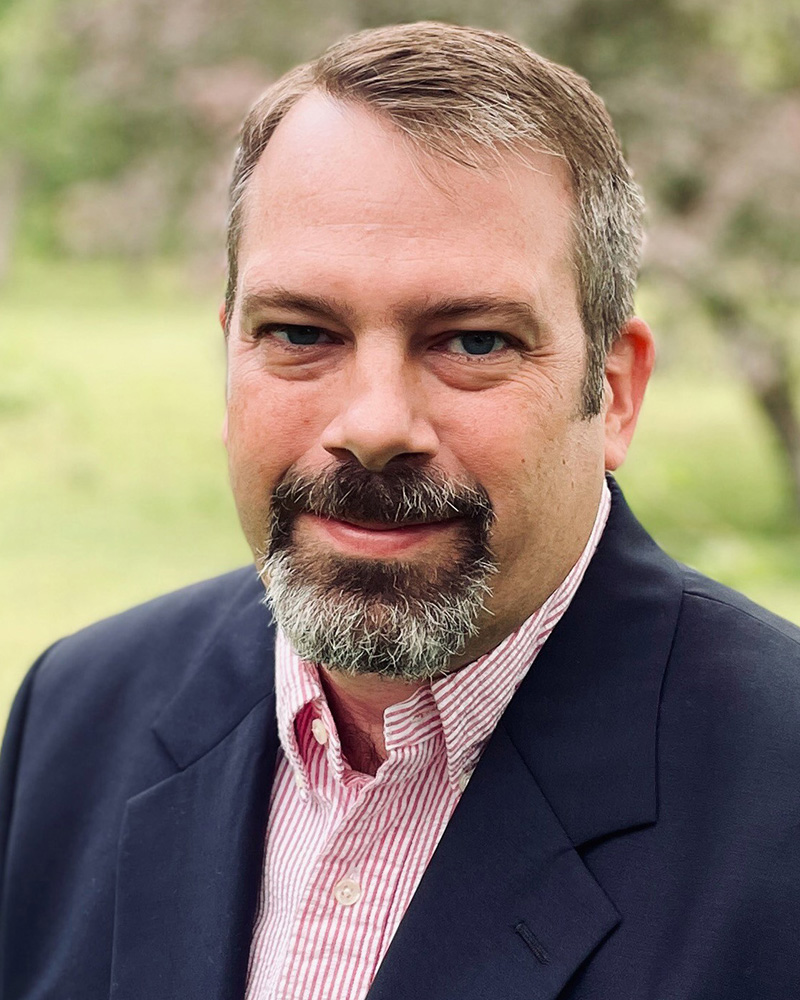 Dr. Joshua E. Turse is the Director of Research Safety at Cornell University Environment, Health and Safety, where he oversees a broad research safety program spanning biosafety, chemical safety, radiation safety, and field research compliance across a multi-campus enterprise. He serves as Cornell’s Select Agent Responsible Official, supporting an active research portfolio across the university. Dr. Turse’s path into biosafety began as a graduate student at Texas A&M University, where his doctoral research on Brucella melitensis required BSL-3 containment and was directly shaped by the emergence of the USA PATRIOT Act and the Federal Select Agent Rules — an experience that gave him an early appreciation for the intersection of rigorous science and regulatory responsibility. He went on to complete postdoctoral training in proteomics at Pacific Northwest National Laboratory and continued publishing on bacterial pathogens, proteomics, and immunity before turning his focus toward biorisk management, IBC governance, and biosafety program design. Today, his work centers on translating federal regulatory requirements — including the NIH Guidelines, CDC/APHIS Select Agent regulations, and the OSHA Laboratory Standard — into practical, risk-based programs that support meaningful research rather than simply constrain it. Dr. Turse believes that effective biosafety is built on commonsense application of sound principles, clear communication across institutional partners, and a commitment to enabling the research enterprise safely and responsibly.
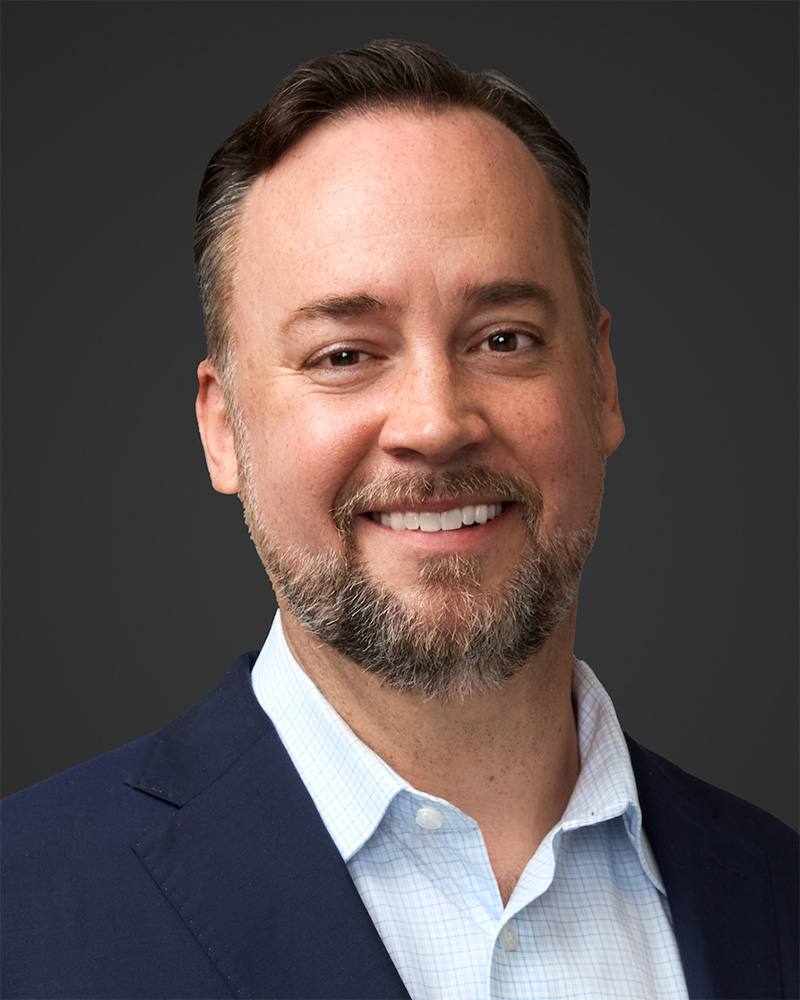 James Diggans is Vice President for Policy and Biosecurity for Twist Bioscience, a DNA synthesis company based outside of San Francisco. He holds a PhD in Computational Biology and Bioinformatics from George Mason University and has worked in target discovery, molecular diagnostic development and biodefense. At Twist, he created and leads the company’s biosecurity program, is a key member of the company’s government affairs and policy team and chairs the International Gene Synthesis Consortium, a trade industry organization dedicated to ensuring the safe and secure use of synthetic DNA technology worldwide.
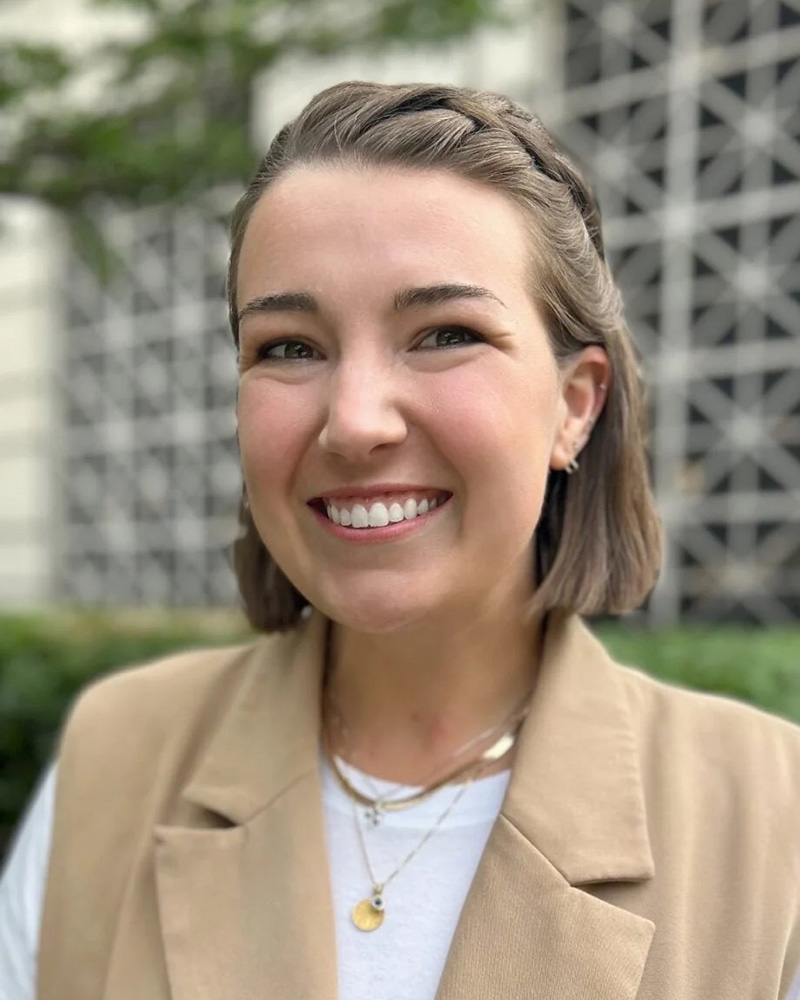 Steph Batalis is a Research Fellow at Georgetown University’s Center for Security and Emerging Technology (CSET), where she leads research at the intersection of artificial intelligence, biotechnology, and national security. Her work examines how AI-enabled advances in the life sciences are reshaping both biomedical innovation and biosecurity in the U.S. and globally. Trained as a biochemist, Steph brings deep technical expertise to policy discussions on opportunities and safeguards for emerging biotechnologies, with an emphasis on U.S. competitiveness and security. Her work has been covered in Foreign Policy, Axios, Nature, Bulletin of the Atomic Scientists, and Defense One. Steph holds a PhD in biochemistry and molecular biology with a focus in structural and computational biophysics from Wake Forest University’s School of Medicine, as well as a BA in molecular and cellular biology from Vanderbilt University.
5:35 pm | Close of Symposium
Enitra Jones Sprouse, PhD, ASC, RBP(ABSA), CBSP(ABSA), Atlanta, GA